What is Dropshipping and How Does it Work? Your Ultimate Guide
dropshipping explained

What is Dropshipping and How Does it Work? Your Ultimate Guide

Launch your online business with minimal overhead and no inventory. Understand the full dropshipping model.

Start Learning Now

Key Takeaways

  • ✓ Dropshipping allows you to sell products without holding any inventory yourself.
  • ✓ When a customer places an order, you purchase the item from a third-party supplier who ships it directly to the customer.
  • ✓ Your profit is the difference between the retail price you set and the price your supplier charges you.
  • ✓ It offers a low-risk entry point into e-commerce, reducing upfront capital requirements.

How It Works

1
Customer Places Order

A customer visits your online store and purchases a product. They pay you the retail price you've set.

2
You Forward Order to Supplier

You receive the order and then purchase the product from your dropshipping supplier. You pay the wholesale price.

3
Supplier Ships Directly to Customer

The supplier packs and ships the product directly to your customer. Your customer never sees the supplier's branding.

4
You Earn Profit

The difference between what the customer paid you and what you paid the supplier is your profit margin. You never handle inventory.

Understanding the Core Concept of Dropshipping

Top view of a shopping cart and bag on a blue background, ideal for retail themes. Photo: Nataliya Vaitkevich / Pexels
Dropshipping has revolutionized the way many entrepreneurs approach online retail, offering a compelling alternative to traditional e-commerce models. At its heart, dropshipping is a retail fulfillment method where a store doesn't keep the products it sells in stock. Instead, when a store sells a product, it purchases the item from a third party—a wholesaler, manufacturer, or another retailer—and has it shipped directly to the customer. This means the merchant never sees or handles the product directly. The most significant implication of this model is the elimination of inventory management, a colossal headache and capital sink for traditional businesses. Imagine launching an online store with hundreds or even thousands of products without ever needing to invest a single dollar in purchasing those items upfront. This is the fundamental promise of dropshipping. It shifts the burden of warehousing, packaging, and shipping from the retailer to the supplier, allowing the entrepreneur to focus almost exclusively on marketing, customer service, and store optimization. This low barrier to entry has attracted countless individuals looking to dip their toes into the vast ocean of online business without the prohibitive upfront costs and risks associated with holding physical stock. The profit in dropshipping comes from the difference between the price you charge the customer and the price the supplier charges you. For instance, if a supplier sells a widget for $10 and you list it on your store for $20, your gross profit is $10 per sale. Of course, this doesn't account for marketing costs, website fees, and other operational expenses, but it illustrates the basic profit mechanism. Dropshipping is not a get-rich-quick scheme, but a legitimate business model that, when executed correctly, can yield substantial returns and provide valuable experience in the ecommerce industry. It requires dedication, strategic product selection, and effective marketing to succeed. The beauty of dropshipping lies in its flexibility; you can operate your business from anywhere in the world, as long as you have an internet connection, making it an ideal choice for digital nomads and those seeking location independence. Understanding this core concept is the first step towards building a sustainable and profitable dropshipping venture.

The Benefits and Challenges of a Dropshipping Business Model

A smartphone with a shopping cart depicting the concept of online shopping in a colorful studio setup. Photo: Nataliya Vaitkevich / Pexels
While the allure of dropshipping is strong, it's crucial to understand both its advantages and its inherent challenges before diving in. On the benefits side, the most frequently cited advantage is the low startup cost. Without needing to buy inventory upfront, entrepreneurs can launch a business with significantly less capital than traditional retail. This dramatically reduces financial risk and makes entrepreneurship accessible to a wider audience. Secondly, dropshipping offers an incredibly broad product selection. Because you don't pre-purchase inventory, you can offer a vast array of products to your potential customers. You can easily test different niches and product lines without being stuck with unsold stock. This flexibility allows for rapid adaptation to market trends and customer demands. Another significant benefit is location independence. A dropshipping business can be run from almost anywhere with an internet connection, offering unparalleled freedom and flexibility for entrepreneurs. This is particularly appealing for those seeking a lifestyle that isn't tethered to a physical location. Scalability is also a major plus; as your business grows, you don't need to worry about expanding warehouse space or hiring more staff for fulfillment. Your suppliers handle the increased volume, allowing you to focus on marketing and customer service. However, dropshipping is not without its hurdles. One of the primary challenges is lower profit margins compared to traditional retail. Since you're paying a supplier for each item and often competing with many other dropshippers selling the same products, margins can be tight. This necessitates higher sales volumes or very effective niche targeting to generate substantial income. Inventory management, while handled by the supplier, still requires your attention. You need to constantly monitor stock levels with your suppliers to avoid selling out-of-stock items, which can lead to customer dissatisfaction. Shipping complexities are another common issue. If you source products from multiple suppliers, your customers might receive items from a single order in separate packages at different times, leading to confusion and potentially higher shipping costs that you may need to absorb or pass on. Customer service can also be more challenging. While you are the face of the business, you rely on your suppliers for product quality, timely shipping, and accurate descriptions. Any issues with these aspects directly reflect on your brand, even if they are outside your direct control. Managing returns and refunds also becomes a multi-party process, which can be more cumbersome than in traditional retail. Finally, intense competition is a reality in many popular dropshipping niches, making it essential to differentiate your store through strong branding, superior customer service, or unique product curation. Understanding these pros and cons is vital for developing a realistic and sustainable business strategy.

Setting Up Your Dropshipping Store: A Step-by-Step Approach
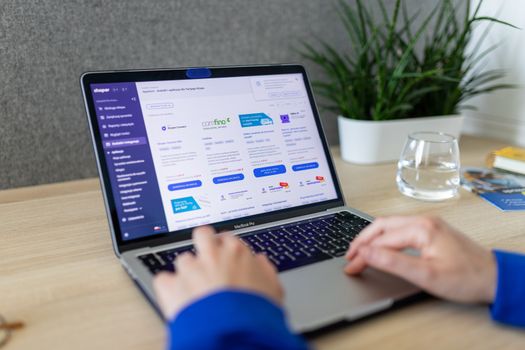
Close-up of hands on a laptop browsing an e-commerce site in a modern office. Photo: Shoper .pl / Pexels
Embarking on your dropshipping journey requires a structured approach to ensure a solid foundation for success. The first critical step is niche selection and product research. This isn't just about finding popular products; it's about identifying a target audience with specific needs or interests and then finding products that cater to them. Look for products with good profit margins, low return rates, and a 'wow' factor that makes them stand out. Tools like Google Trends, AliExpress, and various dropshipping product research platforms can be invaluable here. Avoid overly saturated niches unless you have a unique angle or exceptional marketing strategy. Once you've identified your niche and potential products, the next step is choosing a reliable dropshipping supplier. This is perhaps the most crucial decision you'll make, as your supplier directly impacts product quality, shipping times, and customer satisfaction. Platforms like AliExpress, SaleHoo, Worldwide Brands, and Doba connect you with numerous suppliers. Thoroughly vet potential suppliers by checking reviews, communicating with them directly, and even placing a test order to assess product quality and shipping efficiency. A good supplier is a partner in your business, not just a vendor. With your products and supplier in mind, it's time to build your online store. E-commerce platforms like Shopify, WooCommerce (for WordPress), and BigCommerce are popular choices. Shopify is often recommended for its user-friendliness, extensive app store, and integrated features, making it ideal for beginners. Focus on creating a professional, aesthetically pleasing, and easy-to-navigate website. High-quality product images, detailed descriptions, and clear calls to action are paramount. Don't forget essential pages like 'About Us,' 'Contact Us,' 'Shipping Policy,' and 'Refund Policy.' These build trust and provide crucial information to your customers. After your store is set up and stocked with products, the focus shifts to marketing. Even the best products won't sell themselves. Develop a marketing strategy that includes social media marketing (Facebook, Instagram, TikTok), search engine optimization (SEO) for organic traffic, and potentially paid advertising (Google Ads, Facebook Ads). Understanding your target audience is key to effective marketing; tailor your messaging and channels to where they spend their time online. Finally, don't underestimate the importance of excellent customer service. Promptly respond to inquiries, handle disputes professionally, and go the extra mile to ensure customer satisfaction. Positive customer experiences lead to repeat business and valuable word-of-mouth referrals, which are essential for long-term success in any online business. This systematic approach will guide you from an idea to a fully operational dropshipping business.

Advanced Strategies and Common Pitfalls to Avoid in Dropshipping
Close-up of a toy shopping cart on a vivid yellow surface, casting shadows. Photo: Sergey Meshkov / Pexels
Once you've grasped the basics of what is dropshipping and how it works, it’s time to look at advanced strategies to scale your business and common pitfalls to sidestep. To truly thrive, differentiation is key. Instead of simply listing products from a generic supplier, consider building a strong brand identity. This involves consistent branding across your website, social media, and packaging (if your supplier offers custom branding). Focus on a specific niche or a unique value proposition that sets you apart from competitors. For instance, curate products around a specific lifestyle or solve a particular problem for your audience. Another advanced strategy is optimizing your supply chain. While you don't hold inventory, building strong relationships with a few reliable suppliers can lead to better pricing, faster shipping times, and potentially exclusive products. Explore private labeling or white labeling options where suppliers can put your brand on their products, further enhancing your brand identity. Beyond basic social media, delve into advanced digital marketing techniques. Implement retargeting campaigns to bring back visitors who left your site without purchasing. Utilize email marketing to build a customer list, offer promotions, and nurture leads. Consider influencer marketing by collaborating with individuals whose audience aligns with your niche. Content marketing, through a blog or video series, can also establish your store as an authority in your niche, attracting organic traffic and building trust. However, many dropshippers fall into common traps. One major pitfall is poor product selection. Selling trendy items without long-term demand can lead to short-lived success. Avoid products that are too fragile, oversized, or have complex functionality, as these often lead to higher return rates and customer service headaches. Another mistake is neglecting customer service. In the dropshipping model, you are the direct point of contact for the customer, and their experience with you defines their perception of your brand. Slow responses, unhelpful communication, or difficult return processes can quickly damage your reputation and lead to negative reviews. Furthermore, many beginners underestimate the importance of legal compliance. Ensure your store has clear privacy policies, terms of service, and refund policies. Be transparent about shipping times and potential delays. Lastly, don't fall for the 'set it and forget it' mentality. Dropshipping requires continuous effort in marketing, product research, customer service, and website optimization. Regularly analyze your data, test new strategies, and stay updated with e-commerce trends. By adopting advanced strategies and proactively avoiding these common pitfalls, you can significantly increase your chances of building a successful and sustainable dropshipping business.

Comparison

FeatureDropshippingTraditional RetailAffiliate Marketing
Inventory ManagementSupplier handlesYou manageNo inventory
Startup CostLowHighVery Low
Profit MarginModerateHighLow (commission based)
Shipping & FulfillmentSupplier handlesYou handleMerchant handles
Product ControlLimitedFullNone
Branding PotentialModerateHighLow
Customer ServiceYou handleYou handleMerchant handles

What Readers Say

"Understanding what is dropshipping and how it works truly opened up new possibilities for me. I started my online boutique without any upfront inventory costs, and it's been incredibly liberating. The guide helped me navigate the supplier selection process effectively."

Sarah J. · Austin, TX

"This article was a game-changer! I had a basic idea of dropshipping but didn't grasp the nuances. Now, I feel confident about setting up my store and avoiding common mistakes. The step-by-step approach made it easy to follow."

Mark L. · Miami, FL

"Thanks to the insights on what is dropshipping and how it works, I launched my niche store focusing on eco-friendly products. Within three months, I've generated over $5,000 in sales, all without touching a single product myself. It's truly a flexible business model."

Emily R. · Seattle, WA

"The information provided was comprehensive and well-structured. While dropshipping isn't without its challenges, this guide clearly laid out the benefits and potential pitfalls. It's a solid resource for anyone considering this business model, though I'd emphasize the importance of supplier due diligence even more."

David K. · Denver, CO

"As a stay-at-home parent, the flexibility of dropshipping, as explained here, was exactly what I needed. I can manage my store during nap times and evenings, building a supplementary income stream without a huge time commitment or capital investment. Highly recommend reading this before starting!"

Jessica T. · Chicago, IL

Frequently Asked Questions

What exactly is dropshipping and how does it work in simple terms?

Dropshipping is an e-commerce business model where you sell products online without ever holding any inventory. When a customer buys something from your store, you then purchase that item from a third-party supplier (like a wholesaler or manufacturer) who ships it directly to your customer. Your profit is the difference between what you charged the customer and what you paid the supplier.

Is dropshipping a legitimate business model, or is it a scam?

Dropshipping is absolutely a legitimate retail fulfillment method used by many successful businesses, including major retailers. It's not a scam; however, like any business, it requires hard work, strategic planning, and ethical practices to succeed. Its low barrier to entry sometimes attracts individuals looking for 'get rich quick' schemes, which can give it a negative perception, but the model itself is sound.

How do I find reliable suppliers for my dropshipping business?

Finding reliable suppliers involves thorough research and due diligence. Popular platforms like AliExpress, SaleHoo, Worldwide Brands, and Doba are common starting points. Look for suppliers with positive reviews, good communication, and fast shipping times. It's often recommended to place a test order yourself to evaluate product quality and delivery speed before committing.

What are the typical profit margins in dropshipping?

Profit margins in dropshipping can vary widely depending on the niche, product, and your pricing strategy. Generally, they are lower than traditional retail (often 15-25% or sometimes higher for niche products) because you're paying a wholesale price per item. Success often hinges on selling a higher volume or finding unique, high-value products in less saturated markets.

How does dropshipping compare to traditional e-commerce regarding risk and effort?

Dropshipping significantly lowers financial risk compared to traditional e-commerce because you don't invest in inventory upfront. This makes it easier to start. However, it often requires more effort in marketing and customer service, as you're competing with many others and relying on third parties for fulfillment. Traditional e-commerce gives you more control but demands higher capital and operational overhead.

Who is dropshipping best suited for?

Dropshipping is best suited for aspiring entrepreneurs, individuals with limited startup capital, or those looking for a flexible, location-independent business. It's also ideal for testing new product ideas or niches without significant financial commitment. Anyone willing to invest time in marketing, customer service, and product research can find success.

What are the biggest risks associated with dropshipping?

The biggest risks include reliance on third-party suppliers for product quality and shipping, potentially tight profit margins, intense competition, and managing customer expectations regarding shipping times and returns. Stockouts from suppliers can also lead to customer dissatisfaction. Diligent supplier selection and strong customer communication are key to mitigating these risks.

What are the future trends in dropshipping?

Future trends in dropshipping include a greater emphasis on niche specialization, building strong brand identities, leveraging advanced AI for product recommendations and customer service, and focusing on local or regional dropshipping for faster delivery. Ethical sourcing and sustainable products are also growing in importance, aligning with evolving consumer values. Video marketing and social commerce will continue to be crucial for growth.

Ready to launch your own flexible online business? Now that you understand what is dropshipping and how it works, take the next step. Begin researching your niche, find reliable suppliers, and build your store to start your journey in the exciting world of e-commerce today.

Topics: dropshipping explainedhow dropshipping worksstart dropshipping businessecommerce without inventorydropshipping guide
Leo List

DK Escorts LU Escorts AT Escorts SE Escorts FI Escorts CH Escorts DE Escorts HR Escorts IE Escorts GR Escorts CZ Escorts NO Escorts BE Escorts FR Escorts SI Escorts IL Escorts NL Escorts PL Escorts HU Escorts ES Escorts IT Escorts PT Escorts SK Escorts RO Escorts ZA Escorts UY Escorts US Escorts UK Escorts NZ Escorts AU Escorts
Brampton weed
Adultwork EstrelaBet Vai de Bet R7 Bet Betão Galera Bet Rainbet Bet9ja Shop SportyBet BetKing Sisal Loto Foot Hollywoodbets YesPlay Odibets RushBet Jugabet BetWarrior BetCity MSport betPawa Fortebet