✓ Over 2.14 billion people worldwide are expected to buy goods and services online in 2023.
✓ Customer acquisition costs have increased by nearly 60% over the last five years.
✓ Email marketing consistently delivers one of the highest ROIs for ecommerce businesses.
✓ Personalization can increase sales by 10-15% for online retailers.
How It Works
1
Define Your Target Audience
Understand who your ideal customer is, their demographics, psychographics, and pain points. This foundational step informs all subsequent marketing efforts.
2
Optimize Your Store for Conversions
Ensure your online store is user-friendly, mobile-responsive, and optimized for search engines. A seamless shopping experience is crucial for turning visitors into buyers.
3
Implement Multi-Channel Marketing
Leverage a mix of channels like social media, email, SEO, and paid ads to reach your audience effectively. Consistency across platforms strengthens brand presence.
4
Analyze, Adapt, and Scale
Continuously monitor your marketing performance, gather data, and make data-driven adjustments. This iterative process is key to sustained growth and improved ROI.
Understanding Your Customer and Crafting Your Brand Message
Photo: Joshua Brown / Pexels
Before you can effectively market an online store, you must deeply understand who you are trying to reach and what unique value you offer them. This foundational step is often overlooked but is paramount to developing a coherent and impactful marketing strategy. Start by creating detailed buyer personas. These aren't just demographic sketches; they delve into psychographics, motivations, online behavior, pain points, and aspirations. What problems do your products solve? What desires do they fulfill? Where do your potential customers spend their time online? Understanding these nuances allows you to tailor your messaging, choose the right marketing channels, and speak directly to their needs. For example, if your target audience values sustainability, your messaging should highlight your eco-friendly practices and products. If they prioritize convenience, emphasize fast shipping and easy returns.
Once you have a clear picture of your ideal customer, you need to articulate your brand's unique selling proposition (USP). What makes your online store different from the competition? Is it superior quality, lower prices, exceptional customer service, a unique product range, or a compelling brand story? Your USP should be clear, concise, and woven into every aspect of your marketing. It’s what gives customers a reason to choose you over others. Craft a compelling brand story that resonates with your audience. People connect with stories, not just products. Share your mission, your values, and the passion behind your business. This builds trust and loyalty, creating an emotional connection that transcends mere transactions.
Developing a strong brand identity also involves consistent visual elements – your logo, color palette, typography, and overall aesthetic. These elements should reflect your brand's personality and appeal to your target demographic. Consistency across your website, social media, email campaigns, and packaging reinforces brand recognition. Remember, your brand is more than just a logo; it's the sum of all experiences a customer has with your business. By investing time in understanding your customer and meticulously crafting your brand message and identity, you lay a robust groundwork for all future marketing efforts. This strategic clarity ensures that every dollar spent on promotion is targeted and maximizes impact. Learn more about building a strong foundation for your online business here.
Optimizing Your Online Store for Search and Conversions
Photo: Atlantic Ambience / Pexels
Even the best marketing efforts will falter if your online store isn't optimized for both search engines and user experience. Search Engine Optimization (SEO) is critical for organic visibility, ensuring that when potential customers search for products you sell, your store appears prominently in search results. Start with comprehensive keyword research to identify terms your target audience uses. Integrate these keywords naturally into your product titles, descriptions, category pages, blog content, and meta tags. Technical SEO also plays a vital role; ensure your site has a fast loading speed, is mobile-responsive, uses secure HTTPS, and has a clear site structure for easy crawling by search engines. High-quality product images and videos are not only good for SEO but also crucial for engaging customers and reducing bounce rates.
Beyond attracting visitors, your store must be designed to convert them into paying customers. User experience (UX) and conversion rate optimization (CRO) go hand-in-hand. A seamless navigation experience is essential; customers should be able to find what they're looking for quickly and effortlessly. Implement clear calls-to-action (CTAs) that guide users through the purchasing funnel. Streamline your checkout process, minimizing the number of steps and form fields required. Offer multiple payment options to cater to diverse preferences. Trust signals, such as customer reviews, testimonials, security badges, and clear return policies, are incredibly important for building confidence and reducing cart abandonment. High-quality product descriptions that highlight benefits, not just features, can significantly influence purchase decisions. Consider implementing features like 'customers also bought' recommendations to increase average order value.
Regularly analyze your website analytics to identify drop-off points in the customer journey. Are visitors leaving on a particular product page? Is your checkout process too cumbersome? A/B testing different elements – from button colors to product description layouts – can provide valuable insights into what resonates best with your audience. By continuously optimizing your store for both search engine visibility and an exceptional user experience, you create a powerful synergy that maximizes your marketing investment and drives sustainable growth. Remember, your website is your digital storefront; make it inviting, efficient, and trustworthy.
Multi-Channel Marketing Strategies for Online Stores
Photo: Nataliya Vaitkevich / Pexels
To truly market an online store effectively, a multi-channel approach is indispensable. Relying on a single marketing channel leaves you vulnerable and limits your reach. A diversified strategy allows you to engage with customers at various touchpoints, reinforcing your brand message and driving traffic from multiple sources. One of the most powerful channels is email marketing. Building an email list allows you to directly communicate with interested prospects and existing customers. Utilize email for welcome sequences, abandoned cart reminders, promotional offers, new product announcements, and valuable content. Segment your list to send targeted messages, increasing relevancy and open rates. Email marketing consistently delivers a high return on investment (ROI) because it fosters direct relationships.
Social media marketing is another cornerstone for ecommerce. Identify which platforms your target audience frequents (e.g., Instagram for visual products, Pinterest for inspiration, TikTok for trending content, Facebook for broad reach). Develop a content strategy that goes beyond just product promotion. Share behind-the-scenes glimpses, user-generated content, educational posts, and engage with your community. Social commerce features, like shoppable posts and direct messaging for sales, are increasingly important. Paid social media advertising allows for highly targeted campaigns based on demographics, interests, and behaviors, enabling you to reach new audiences and retarget past visitors.
Paid advertising, beyond social media, includes Google Ads (Search and Shopping). Google Shopping ads are particularly effective for ecommerce as they display product images, prices, and store names directly in search results. Search ads target users actively looking for products or solutions you offer. Remarketing campaigns are crucial; they target users who have visited your site but didn't convert, reminding them of your products and encouraging them to complete a purchase. Content marketing, through a blog or resource section, helps establish your brand as an authority, attracts organic traffic via SEO, and provides valuable content to share across other channels. Consider affiliate marketing or influencer collaborations to tap into new audiences and leverage trusted voices. Integrating these channels creates a cohesive and robust marketing ecosystem. For more in-depth strategies on specific marketing channels, explore our resources on digital marketing.
Advanced Tactics and Common Marketing Mistakes to Avoid
Photo: https://kaboompics.com/ / Pexels
As you gain experience in marketing your online store, consider incorporating advanced tactics to further optimize your efforts. Personalization is key; dynamic content on your website, personalized product recommendations, and tailored email campaigns based on past browsing or purchase history can significantly boost engagement and conversions. Implementing loyalty programs rewards returning customers, encouraging repeat purchases and fostering long-term relationships. Exploring niche communities and forums relevant to your products can uncover highly engaged audiences often overlooked by broader marketing efforts. Don't underestimate the power of user-generated content (UGC); encourage customers to share photos and reviews of your products, as this builds social proof and trust more effectively than traditional advertising.
Here are some common marketing mistakes to avoid when promoting your online store:
* **Ignoring Mobile Optimization:** A significant portion of online shopping happens on mobile devices. A non-responsive or slow mobile site will alienate potential customers and harm your search rankings.
* **Neglecting Customer Service:** Excellent customer service is a marketing tool in itself. Poor support leads to negative reviews and lost business, undermining all your marketing efforts.
* **Lack of Clear CTAs:** Every page and marketing message should have a clear, concise call-to-action guiding the user on what to do next.
* **Inconsistent Branding:** Fragmented messaging, visuals, or tone across different channels confuses customers and weakens brand identity.
* **Not Analyzing Data:** Marketing without analytics is like driving blind. Regularly review your data (traffic, conversion rates, bounce rates, customer acquisition cost, ROI) to understand what's working and what's not.
* **Over-reliance on Discounts:** While promotions have their place, constantly discounting can devalue your brand and attract price-sensitive customers who won't be loyal.
* **Ignoring Post-Purchase Engagement:** The customer journey doesn't end at checkout. Follow-up emails, loyalty programs, and requests for reviews keep customers engaged and encourage repeat business.
By embracing advanced strategies and consciously avoiding these pitfalls, you can create a more resilient, effective, and profitable marketing framework for your online store.
Comparison
Feature
Best Option
Alternative 1
Alternative 2
SEO Effectiveness
Shopify
WooCommerce
BigCommerce
Ease of Use
Shopify
Wix E-commerce
Squarespace Commerce
Scalability
WooCommerce
BigCommerce
Magento
Cost (Entry Level)
WooCommerce (self-hosted)
Shopify Basic
Etsy (marketplace)
Marketing Integrations
Shopify
BigCommerce
WooCommerce
Customization Potential
WooCommerce
Magento
BigCommerce
What Readers Say
★★★★★
"Following this guide on how to market an online store effectively completely transformed my small boutique. I implemented their email marketing advice and saw a 30% increase in repeat customers within three months. Truly invaluable strategies!"
Sarah J. · Austin, TX
★★★★★
"As a new ecommerce entrepreneur, I felt overwhelmed. This article broke down how to market an online store effectively into actionable steps. The section on SEO optimization helped my products rank higher than I thought possible."
Mark D. · Miami, FL
★★★★★
"We struggled with consistent sales until we applied the multi-channel marketing tactics from this resource. Our conversion rate jumped from 1.5% to 3.2% after optimizing our social media ads and website UX. Highly recommend!"
Jessica L. · Denver, CO
★★★★★
"The insights on understanding your customer were particularly insightful for my niche store. While some advanced tactics required more technical knowledge than I initially possessed, the foundational advice on how to market an online store effectively was excellent and very practical."
Robert K. · Chicago, IL
★★★★★
"I used these strategies for my handmade goods store on Etsy, adapting them slightly for the platform. Focusing on strong product descriptions and engaging with customers through targeted promotions made a significant difference. My sales have never been better!"
Emily R. · Seattle, WA
Frequently Asked Questions
What is the most effective way to market an online store for free?
The most effective free marketing strategies include Search Engine Optimization (SEO) for organic visibility, leveraging social media platforms for organic reach and community building, and building an email list through valuable content and sign-up incentives. Content marketing through a blog also drives free organic traffic and establishes authority over time.
How long does it take to see results from online store marketing efforts?
The timeframe for seeing results varies significantly based on the strategies employed. Paid advertising (PPC, social ads) can yield results almost immediately, while organic strategies like SEO and content marketing may take several months (3-6+) to show significant impact. Consistent effort and data analysis are key to accelerating results across all channels.
How do I create a marketing budget for my online store?
Start by allocating a percentage of your projected revenue (e.g., 5-15% for new businesses) to marketing. Prioritize channels based on your target audience and product type, and allocate funds to a mix of paid and organic strategies. Track your customer acquisition cost (CAC) and return on ad spend (ROAS) to make data-driven adjustments to your budget over time.
Is social media marketing still effective for online stores?
Yes, social media marketing remains highly effective for online stores, especially for brand building, direct customer engagement, and driving traffic. Platforms like Instagram, TikTok, and Pinterest are particularly strong for visual products, while Facebook offers robust advertising tools for targeting. The key is to choose the right platforms for your audience and create engaging, relevant content.
What is the difference between SEO and SEM for ecommerce?
SEO (Search Engine Optimization) focuses on improving your store's organic ranking in search results through tactics like keyword optimization, technical SEO, and content creation. SEM (Search Engine Marketing) encompasses both SEO and paid search advertising (PPC) like Google Ads. While SEO is about earning free traffic, SEM leverages paid methods to gain immediate visibility at the top of search results.
Who should prioritize understanding their customer for online store marketing?
Every online store, regardless of size or niche, should prioritize understanding its customer. This foundational step is critical for startups to establish their market fit and for established businesses to refine their messaging, launch new products, and stay competitive. Without a clear customer profile, marketing efforts are often unfocused and ineffective.
What are the biggest risks of not marketing an online store effectively?
The biggest risks include low visibility, stagnant sales, difficulty acquiring new customers, losing market share to competitors, and ultimately, business failure. Without effective marketing, even a great product will struggle to find its audience, leading to poor ROI on inventory and operational costs.
What are the future trends in marketing an online store?
Future trends include increased personalization powered by AI, the rise of social commerce (in-app shopping), live stream shopping, augmented reality (AR) for virtual try-ons, and a continued emphasis on sustainable and ethical brand messaging. Video content and interactive experiences will also become even more dominant.
Ready to transform your online store into a thriving success story? By applying the comprehensive strategies outlined in this guide, you can confidently market an online store effectively, attract your ideal customers, and achieve sustainable growth. Start implementing these powerful tactics today and watch your ecommerce business flourish.
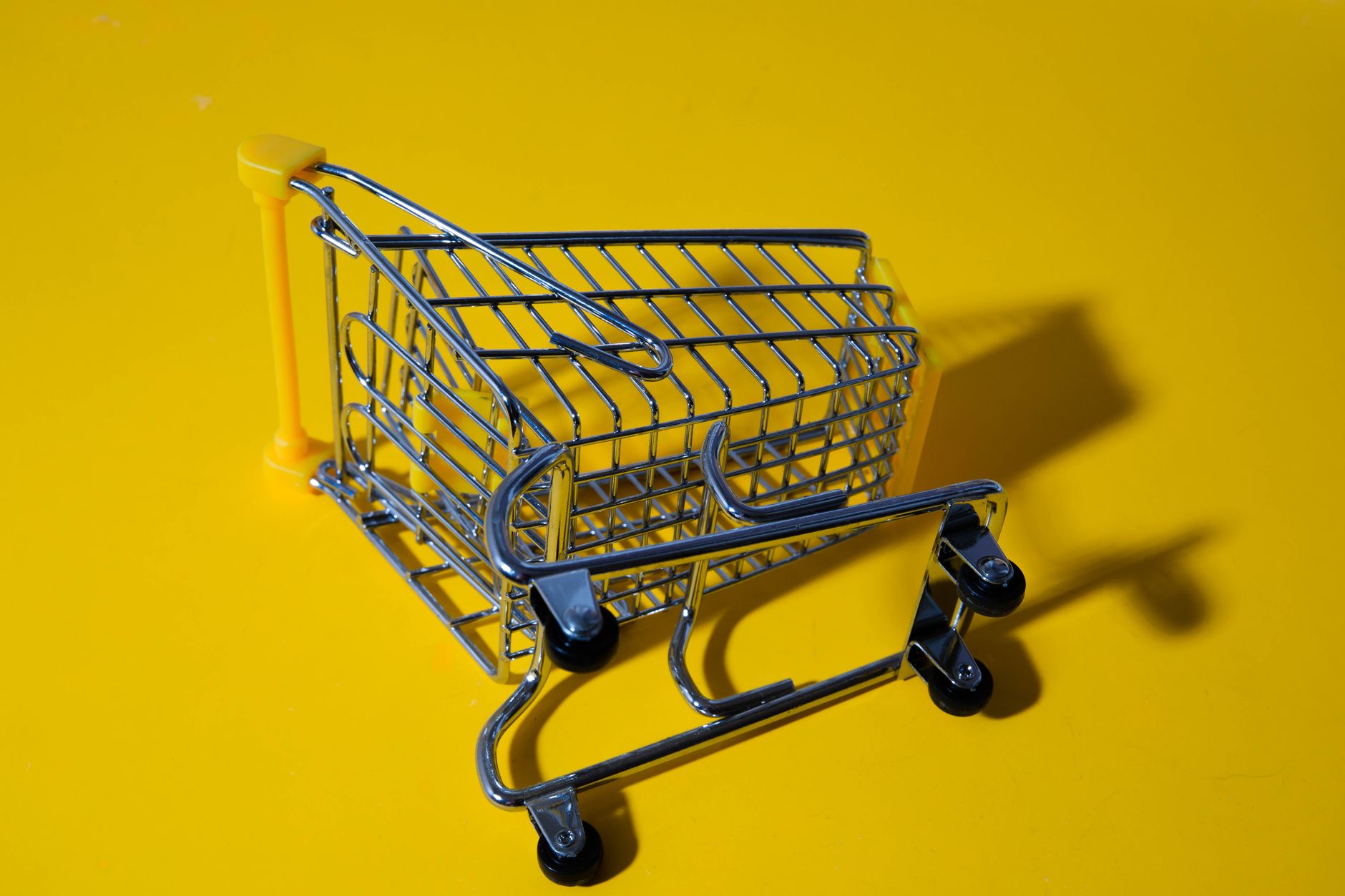
 Photo: Joshua Brown / Pexels
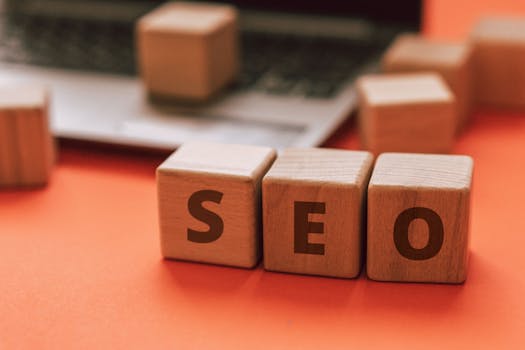 Photo: Atlantic Ambience / Pexels
 Photo: Nataliya Vaitkevich / Pexels
 Photo: https://kaboompics.com/ / Pexels